
As ophthalmic surgeons, we are witnessing a paradigm shift in how we deliver care. The transition from hospitals and Ambulatory Surgical Centers (ASCs) to Office-Based Surgery (OBS) isn’t just a trend—it’s an evolution driven by the need for efficiency, autonomy, and better patient experiences.
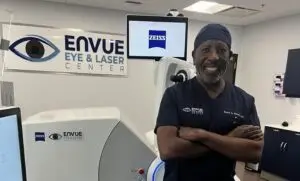
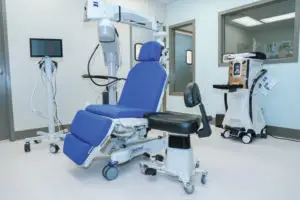
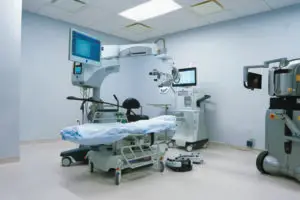
Having navigated the transition to OBS in my own practice, I’ve seen the benefits firsthand. By moving procedures into the office setting, we’ve mitigated the frustrations of hospital scheduling, bypassed anesthesia staffing shortages, and created a more comfortable, less anxiety-inducing environment for our patients. The safety profile is validated, the efficiency is undeniable, and patient satisfaction is at an all-time high.
However, a significant hurdle remains: the lack of a standardized Medicare reimbursement model.
The Current State of OBS Medicare Reimbursement
While Medicare OBS reimbursement is not standardized, it is not impossible. You can receive Medicare reimbursement for OBS, but it’s paid differently. OBS surgeons are reimbursed an enhanced professional fee based on local MAC codes instead of a traditional facility fee. However, this requires case-by-case review, additional documentation, and a level of complexity that is difficult for most practices to manage.
The American Academy of Ophthalmology (AAO) is aware of this billing approach but because claims are approved at the local MAC level, formal approval hasn’t been received from Centers for Medicare & Medicaid Services (CMS). Even though Medicare has paid thousands of such claims, the Academy has not advocated to validate or streamline this burdensome payment process for its members. Recently, my colleagues and I met with the president of AAO to discuss a path toward standardized Medicare reimbursement for OBS. The good news is that the Academy acknowledges an OBS pricing model is inevitable.
The bad news is the timeline.
Currently, concerns regarding potential downward revaluation of the professional fee are delaying the prioritization of this effort with CMS. The Academy’s current plan involves gathering cost data in 2026, targeting a revaluation in 2027, and aiming for implementation in 2028.
Why We Must Accelerate
Ongoing delays from the AAO is simply not acceptable. The demand for cataract surgery is projected to reach six million procedures annually by 2030, yet we are already facing capacity crunches in ASCs and hospitals. We need a sustainable financial model that supports the OBS environment now.
I believe we can—and must—accelerate this timeline. To do this, the initiative must be driven by the voice of the surgeon. True advocacy that resonates with Academy leadership comes from us—the physicians delivering the care.
A Call to Action
Ophthalmologists for OBS are organizing a formal request to the AAO leadership, urging them to immediately support OBS reimbursement so surgeons can remain competitive while preserving physician-led patient care, and to present a unified front that this issue is a top priority.
We have prepared a letter reflecting our collective goals to advance surgical excellence and secure the autonomy we deserve. I am asking you to lend your voice to this cause.
Take action today:
Please review the letter and click here to add your signature to help us advocate
for meaningful, timely change.
Together, we can secure the future of our practices and ensure we continue to provide the highest quality care to our patients.