Ophthalmologists and optometrists have long collaborated in the care of patients, as employer/employee or as comanagement partners. In most states, optometrists cannot be partial owners of ambulatory surgery centers (ASCs) or of ophthalmology practices. The growth of office-based surgery (OBS) provides new opportunities for us to work together in ways that make good financial sense for both parties and that simplify the refractive patient journey, as well.
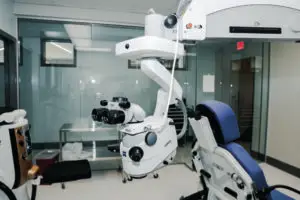
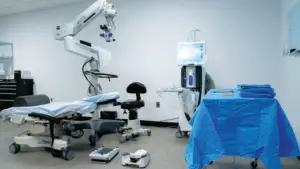
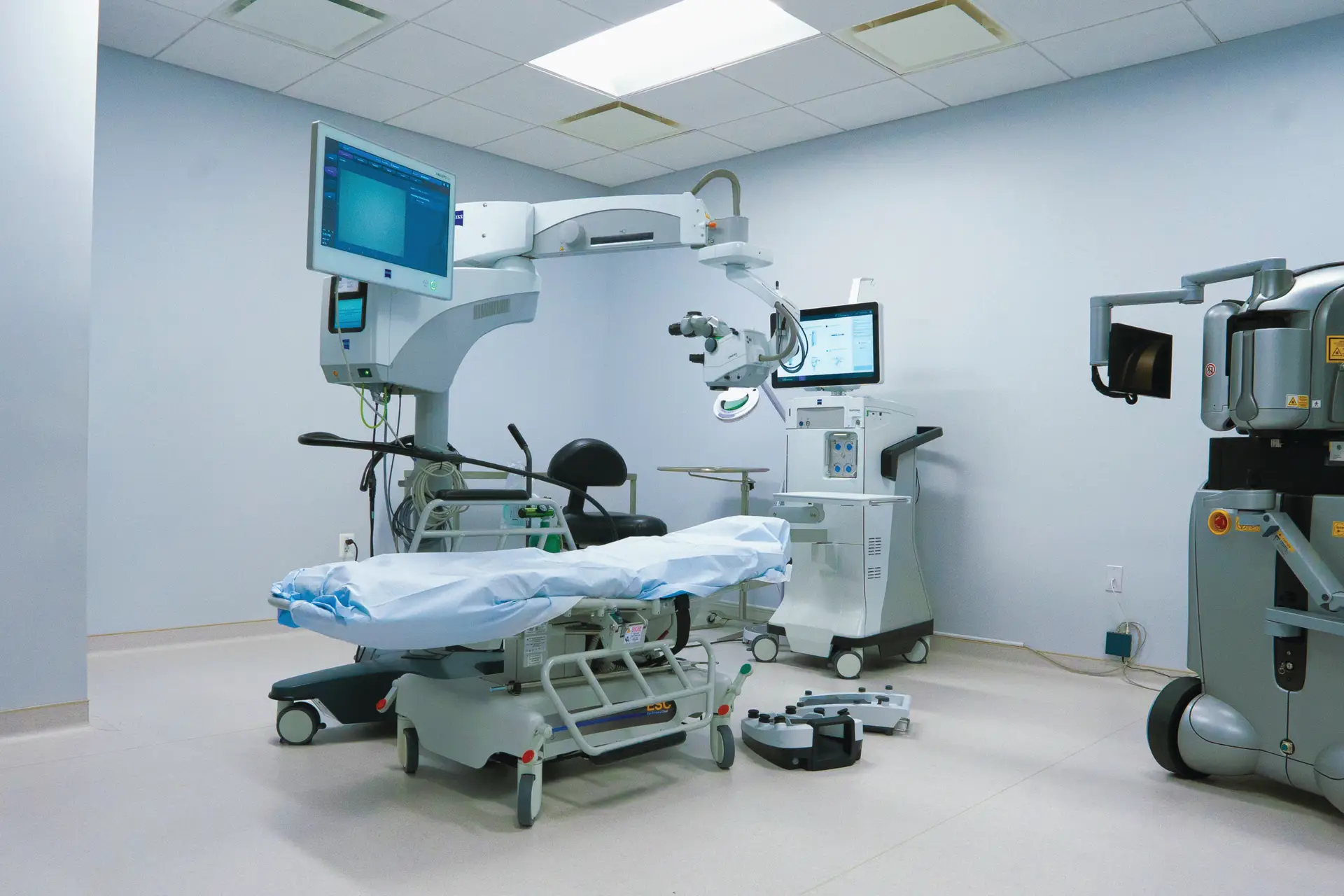
I perform both private-pay refractive surgery (laser and lens-based) and insurance-covered cataract surgery in an iOR OBS suite. Compared to operating at a hospital or an ASC, the advantages of OBS include the ease of scheduling, full control over staff and equipment, ability to perform surgery without an anesthesiologist or nurse anesthetist, and a familiar, more comfortable setting for the patient. With procedures that are partially covered by insurance, the surgeon can bill the surgical fee and the subset of surgical services that are typically rolled into the facility fee at an ASC. However, the real value of OBS is that it allows surgeons to capture the refractive component of covered procedures, and to increase their refractive surgery volume. I believe refractive surgery (including refractive cataract surgery) is the future of ophthalmology. I want more patients to have access to the amazing refractive outcomes we have to offer today—and I believe that cash-pay procedures are what will keep the lights on in an environment with ever-declining Medicare and private insurance reimbursement for cataract surgery.
OD involvement in OBS
There are several models for how optometrists can be involved in OBS, including as full owners, partners in a shared surgical suite, or as partners in a more complex business arrangement with an external company or network (Table 1). A local optometrist, Jeff Brewer, OD, and I have opted for the shared surgical suite option.
In our case, there are three separate companies involved: A surgical practice, Kugler Vision, owned by me; an optometry practice, Legacy Eye Care, owned by Dr. Brewer, in which I have a small ownership stakeand serve as Medical/Surgical Director; and an OBS center. The OBS suite is physically located inside Kugler Vision Surgery Center. The optometry practice currently leases the space (which includes use of the facility, staff, and equipment) one half-day per month. On those leased days, the optometrist bills the patient, collects the money, pays all the expenses of the procedures performed that day, including the surgical fees, and keeps the remainder as profit. As the surgeon, I receive the surgical fees for the cases I perform, just as I would be paid for performing surgery at an off-site ASC or hospital.
The ability to perform surgery is, as in all cases, controlled by licensure, training, board certification, and malpractice insurance requirements. The optometrist does not perform any surgery and does not direct surgical decision making, any more than an ASC owner or a large corporation that owns a hospital would direct surgical decision making in those settings. The arrangement is compliant with anti-kickback statutes because no money is changing hands between the OD and MD for the referral or comanagement. In fact, it’s a very similar situation to that of an ophthalmologist employing an OD in the practice. An employed optometrist is paid to perform tasks within their scope of licensure, such as refractions and exams, just as I am paid by the OBS to perform tasks within my licensure. The patients of Legacy Eye Care are paying for a service, and the optometric practice is acquiring the space and paying an expert to perform that service.
This model is flexible enough that Legacy Eye Care could lease additional OBS time in the future as our relationship grows, or other optometry or ophthalmology practices could potentially lease days from the OBS.
This collaborative ownership model is attractive to the optometrist because he’s not losing control of the patient. He can tell the patient, “I think you really ought to consider refractive surgery, and we can do that through our practice.” He can be more confident recommending refractive surgery because he doesn’t have to send the patient out to someone else for a co-managed surgery and hope they eventually come back to him. He can directly see the results his patients are obtaining from surgery. And the patients are provided access to refractive surgery services that otherwise would not be offered.
Expanding the patient base
By this point in my career in refractive surgery, it has become clear to me that co-management and direct-to-consumer advertising have a ceiling and are unable to reach the majority of patients who are candidates for refractive surgery. No matter how good the technology becomes—and it is already superb—and no matter how much time and energy we as surgeons devote to improving techniques and optimizing outcomes, our reach will always be limited by access to refractive patients.
Primary care optometrists see the vast majority of patients with refractive error. Approximately 85% to 90% of their adult vision-corrected patients are candidates for at least one of the refractive procedures we offer, but the patients don’t necessarily know this and often don’t take the initiative to research refractive surgery themselves. For the most part, optometrists send us the patients who insist on having refractive surgery or the ones who lack good non-surgical options, but do not consider refractive surgery as a first line vision correction option. Most eligible candidates for refractive surgery remain in the loop of annual glasses or contact lenses, partly because of financial disincentives, and partly because of discomfort with the nuances of refractive surgery.
However, market forces are forcing changes in traditional models of ophthalmology and optometric practice in ways that make an OBS partnership an even more attractive opportunity. Optometric practices have long faced competition from online and big-box retailers and are now increasingly facing pressure from corporate-owned centers. In the U.S. and Europe, vision care corporations like Luxottica are buying surgery centers and even eye hospitals, in order to offer full vertical integration of eye care services. For surgeons, that can feel like a scary development. OBS provides an opportunity for surgeons and optometrists to work together in a responsible way to remain independent and competitive.
I’ve spent my entire career working towards the goal of growing refractive surgery. With this ophthalmology-optometry OBS partnership, I am optimistic that more patients will be given an opportunity to consider surgery and to enjoy the spectacle independence that refractive surgery can offer.