VisionQuest Eyecare
Indianapolis and Greenwood, IN

Zionsville Eyecare
Zionsville, IN
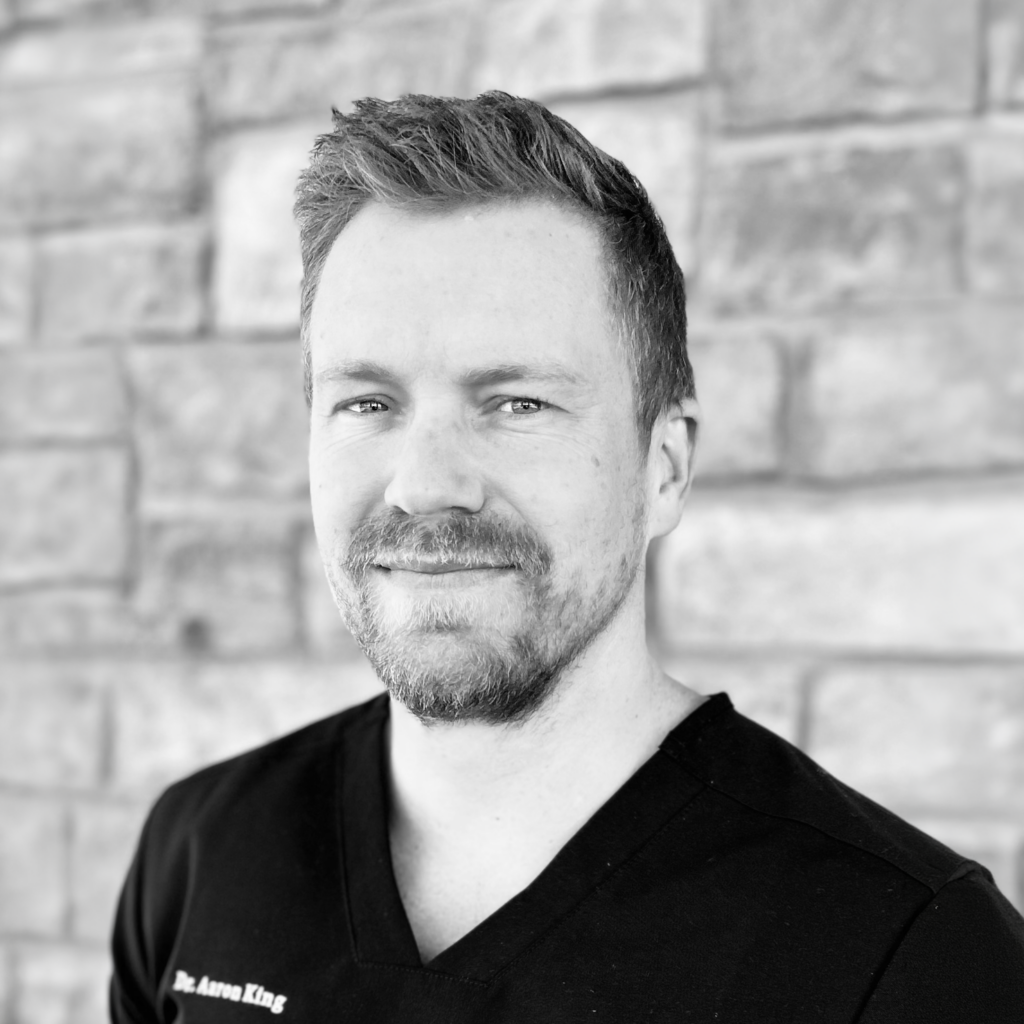
Timp Vision Clinic
Highland, UT
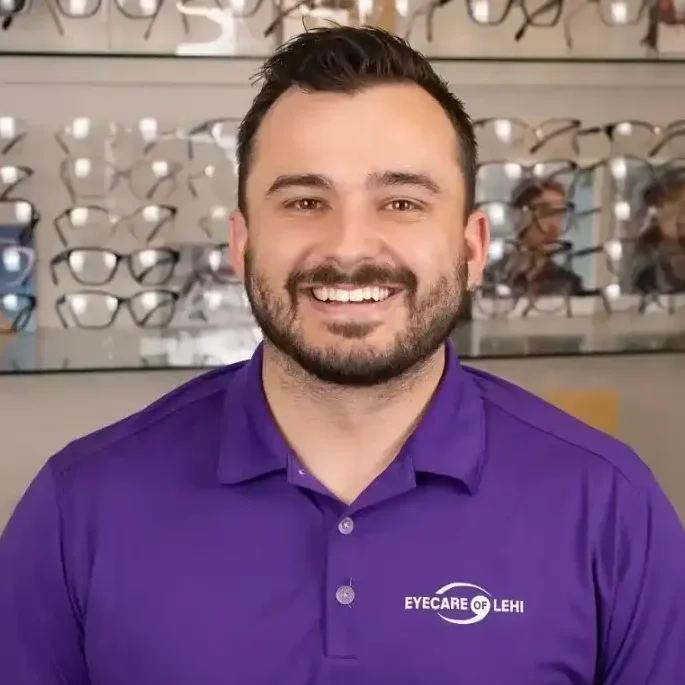
Eyecare of Lehi,
Lehi, UT
Cedar Valley Eyecare, Eagle Mountain, UT
Introduction
You spend years earning a patient’s trust. Then, at the moment they are ready for cataract or refractive surgery, they have to leave the practice they know and travel somewhere unfamiliar. Four doctors are about to change that by bringing surgery to the practices their patients already trust.
The vehicle is office-based surgery (OBS), which is surgery that is performed in the doctor’s practice or at another location that is considered an extension of the practice, rather than in an ambulatory surgery center (ASC) or hospital outpatient department.
Interest and investment in OBS have grown tremendously in the U.S. in the past few years, with OBS suites initially being mostly located in ophthalmology practices. However, a unique aspect of OBS is that independent optometrists can also own OBS suites. Optometry-owned OBS is simply an ownership structure; it does not change what optometrists are licensed to do, and it does not change malpractice liability. There is no co-management relationship and no referral, because the optometrist is providing continuing of care. The surgeon who performs surgery in the OBS collects the professional fee, just as they would when performing surgery at a hospital or ASC, and the OBS owners are responsible for staffing, equipment, operations, and all other aspects of care.
There are multiple ways to structure an optometry-owned OBS. One is to have a standalone, independently-owned OBS suite. In addition to allocating surgery slots for their own patients, owners of a standalone OBS facility can also lease the suite out to other optometric colleagues in the area. There is some up-front capital investment, so this model requires significant intrinsic volume from the owner(s) to justify the investment. Alternatively, iOR Partners—a partner that supports optometrists as they develop, build out, and operate OBS suites—may be willing to make the up-front investment to get a standalone suite started in exchange for a shared equity stake in the OBS program.
Another option is a shared OBS suite or membership model. With this approach, iOR Partners establishes the OBS “hub” and takes on the initial financial investment risk, with various optometry partners or “spokes” each owning a fractional share in it, more like the way a traditional ASC might be structured. This reduces the initial investment for each practice, and makes the structure reasonable even for smaller practices. In both cases, iOR Partners can help to establish and build out the suite, source equipment and supplies, and identify surgeons who are already experienced at OBS and very familiar with OBS safety protocols.
Four optometrists who are getting ready to launch their own OBS suites this year recently shared how OBS will benefit their patients, why they chose this path, and what it takes to be successful.
Q: What was your motivation for incorporating office-based surgery (OBS) into your practice?
Dr. Browning: My practice is in a blue-collar area on the south side of Indianapolis. We don’t have surgeons in the immediate area doing premium cataract surgery or refractive surgery, which I see as a gap in care and an opportunity for us to be able to offer added value for our community. With OBS, we can work with a surgeon to provide those services in-house, which means we are able to keep the patients who are already in our practice and whom we previously referred out. Our local chamber of commerce is always looking at “quality of place.” If you have better services, you attract more people, you increase the value of the practice, and you can help grow other practices, too. Ultimately, continuity of care for our patients and the potential for long-term practice growth go hand in hand, and I think OBS will be a win-win for everybody.
Dr. Gray: The current model of surgical co-management is highly fragmented. When a patient leaves my practice—even to see a surgeon I know and trust—my recommendations might get lost in the process. The various surgeons I have referred to all have different models, treatment plans, and post-cataract drop regimens, so I can’t even tell patients exactly what their experience will be like. Being able to keep surgery in-house allows for more control over the patient experience.
Dr. Garn: Larger practices can reach a point of stagnation, where there is less opportunity for future growth. Creating vertical integration in the services we offer allows us to maximize the potential of the practice and continue to grow over the long term.
Q: How will offering surgical services in your practice benefit your patients?
Dr. Browning: I think it’s just going to feel a lot more natural to the patient when I can say, “Our surgeon is going to take good care of you.” It will feel a lot less transactional.
Dr. King: From the patient’s perspective, it’s all about the continuity of care. I think our patients like the idea of having a “one-stop shop” in a practice where they already have established trust. The fact that we’ll be in constant communication with the surgeon throughout the entire experience will be tremendously beneficial for patient outcomes.
Dr. Garn: I’m excited that we’ll be able to shape the culture of the facility. Obviously, the surgeons who work with us are going to have excellent surgical skills and they’ll establish the surgical protocols, but as owners we’ll help to set expectations and the culture for the practice. The experience for the patient will be less fragmented, which I think will increase patient satisfaction.
Q: How is OBS ownership different from co-management?
Dr. Browning: Co-management is heavily regulated and scrutinized, so the idea that we could eliminate referrals and co-management altogether with an OBS structure is very compelling. It relieves a significant burden and allows us to focus instead on the patient experience and on delivering better care.
Dr. Garn: We love our MD partners, but there are definitely some communication gaps when working with a separate entity. Like the game of telephone, information gets lost each time it is transferred from one person to another. I think patients will benefit from having their primary care doctor and their surgeon in constant communication, and my hope is that those gaps in communication should be almost completely eliminated in the OBS setting.
Dr. Browning: I’ll never forget one of my patients who returned to the practice after cataract surgery. The patient had paid a hefty sum out of pocket for a multifocal IOL, expecting not to need glasses anymore. He was very frustrated to learn that because he had 4 D of exophoria, he still needed prism in his glasses. If we had the benefit of a surgeon in our practice and good communication between the surgeon and the people who know the patient’s full history, we could have set that expectation before surgery.
Q: How did you determine whether a standalone or membership OBS model made the most sense for your practice?
Dr. Gray: Our practice is small, with just two full-time and one half-time doctors. In reviewing the numbers with iOR Partners, it was clear that I didn’t have the volume to open an independent OBS suite myself, so the membership model seemed to make the most sense.
Dr. King: Dr. Gray and I are both owners in the same membership OBS. What I like about this approach is that you don’t have to be a multi-doctor practice or have a huge volume to succeed.
Dr. Garn: I feel very fortunate to have the resources and the volume to be able to launch a standalone OBS suite, which means I can help other, smaller practices take advantage of it as well. I look at it as a way to help both our profession and our patients. Dr. Browning and I are each launching our own standalone OBS suites about 25 miles apart, but we have been collaborating on ideas and will be utilizing some shared marketing and staff resources.
Q: What do you anticipate the revenue impact of OBS will be for your practice? What about patient demand for office-based surgery?
Dr. Garn: For starters, it’s important to understand your monthly average number of surgical referrals, which is a metric that most optometrists haven’t paid much attention to. Even if we just treated the patients we currently refer in the OBS—not factoring in any growth—we conservatively estimate a 5% to 10% increase in revenue in the first year. However, I expect to exceed those expectations as we grow the practice and get better about communicating the benefits of surgery to patients.
Dr. King: I agree. If I’m going through the whole process with the patient, talking to them before, during, and after the surgical decision making, I think patients will feel more confident choosing the lens option that is right for them, because they will be able to get all their questions answered by someone they trust.
Dr. Browning: Having an OBS is going to require that we change our mindset within the practice. We are a surgical practice now, which means that refractive surgery has to be at least equally weighted with glasses and contacts in a way that it probably hasn’t been in the past. Because patients are comfortable with our doctors and staff, I agree that it becomes easier for them to overcome barriers for surgery or premium surgical options that might have felt too overwhelming before or that they might have been intimidated to ask about otherwise. I expect we will see strong interest and a meaningful increase in the number of patients we recommend for surgery.
Dr. Gray: I already have a wide-ranging refractive conversation with all my patients. I tell them we can help with glasses, contact lenses, pharmacological drops, and surgery. I go through all the different scenarios and solutions that are appropriate for them. And when they get interested in surgery, it’s going to be really refreshing to get them evaluated quickly in our OBS. Right now, most of the surgeons I refer to in the area are in high demand, with waits of up to three months, so we get the patient all excited about a surgical option and then they have to wait. When I have told them we’ll have our own facility going by the end of the year, they are all electing to wait for it to open. It’s been eye-opening to me to see just how poorly the old system was working.
Q: Is it difficult to find a surgeon willing to perform surgery in an optometric-owned OBS suite? Do you have any concerns about access to the surgeon in case of complications?
Dr. King: Finding a surgeon was initially a big concern for me, but it hasn’t proven to be a problem. iOR Partners has a great network of surgeons that practices can draw on as a resource.
Dr. Garn: I didn’t want my OBS to represent a downgrade in terms of surgical quality for my patients, so it has been refreshing to learn that there is a talented pool of surgeons, many of whom are actively looking for opportunities to perform a higher volume of surgery. A lot of optometrists already see patients on Day 1 postoperatively, so that is something we are certainly capable of managing, especially when we are working closely with the surgeon on protocols for postoperative care.
Dr. Browning: We have found somebody from outside the area who’s going to fit our practice really well. Once our OBS is up and running, I think we’ll have more local choices, as well. If we can offer constant patient volume without the worries about scheduling and billing and HR and we can allow surgeons to spend more of their time doing the surgery they are trained to do and have dedicated their lives to, I think they will embrace the model. When it comes to managing complications, I don’t think anything will really change. Most of the significant complications of cataract surgery are posterior segment complications that are sent to a retina specialist to manage. That same retina specialist is going to be happy to manage any complications that arise from procedures performed in the OBS, as well. It’s just a different site of surgery.
Q: As you get ready to open your OBS suites, what advice do you have for colleagues who are just considering embarking on this journey?
Dr. King: I wish I had investigated the OBS option even earlier than I did. I would tell colleagues to start seriously looking at OBS now. Even if you don’t have a large practice, you can participate in a membership or shared suite, like Dr. Gray and I are doing.
Dr. Browning: I’m not a surgeon and I have no aspirations to perform surgery. But I do want to ensure that my patients are taken care of to the highest possible standard, and that my staff knows exactly what to do. I would characterize our practice as very process-driven, and it has been reassuring to me to see that the team at iOR Partners is also systems-oriented and able to bring great clarity to the task of setting up an OBS suite.
Dr. Garn: Most of us who went into independent, primary care optometry never thought we would be part of a surgical practice. I think it is important to give some thought to the big picture of where optometry is now and where it is headed. If you open your mind to the possibilities, I think it becomes clear that vertical integration is the direction the field is going. It’s a model that makes sense for the health care system and for patients, so this is a great time to decide if you want to be on the leading edge of making OBS happen in your community.