Two independent optometric practices began offering office-based surgery, performed their first surgeries in under 60 days, and generated more than $648,000 in surgical revenue — without new patients or capital investment.
Optometrists are the front door to eye care. They perform the majority of annual eye exams, build relationships with their patients, and are often the first to spot the conditions that require surgery. Yet historically, the moment a patient needs surgery, the OD refers them out — collecting a co-management fee of $90–$120 per eye for cataract surgery or $400–$600 per LASIK patient, if anything at all. Sometimes the patient never comes back to their practice. And when a referral relationship changes, the OD carries the risk.
Office-based surgery (OBS) changes that equation, and with an iOR Shared Suite, optometrists can offer it without building or managing a surgical suite themselves. Yet many practices assume they don’t have the patient volume to justify it. The data from two practices that partnered with iOR Partners in 2025 suggests most practices are underestimating the opportunity already sitting in their charts.
Two Practices, One Result: Surgical Revenue in Under 60 Days
Neither practice had offered surgical services before. Both performed their first case — and generated their first surgical revenue — within 60 days of partnering with iOR.
| Practice 1 | Practice 2 | |
| Program period | Oct 2025 – May 2026 (8 mo.) | Sep 2025 – May 2026 (9 mo.) |
| First surgery date | Oct 22, 2025 | Sep 2, 2025 |
| Days to first revenue | 42 days | 54 days |
| Total procedures | 84 cases (42 patients) | 43 cases (22 patients) |
| Total surgical revenue | $383,976 | $264,332 |
| Avg. revenue per case | $4,571 | $6,147 |
Practice 1, an independent practice in the Midwest, built its volume primarily on refractive lens exchange (RLE) and LASIK. Practice 2 earned roughly a third more per case on half the volume, because its mix leaned on RLE and ICL — premium procedures that command a higher price point.
Combined, the two practices performed 127 procedures for 64 patients. Under a traditional co-management model, those patients, and nearly all of that revenue, would have left the practice for outside surgical care.
The most telling detail: every case came from patients already in the practice, most identified during a routine exam. No new patient acquisition was required. Results vary by practice, patient base, and procedure mix, but these two practices show what’s possible when the volume is already in the chart.
How the Shared Suite Model Works
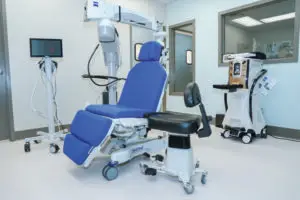
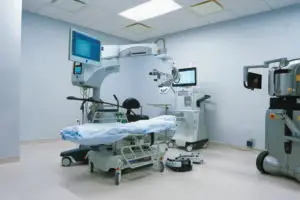
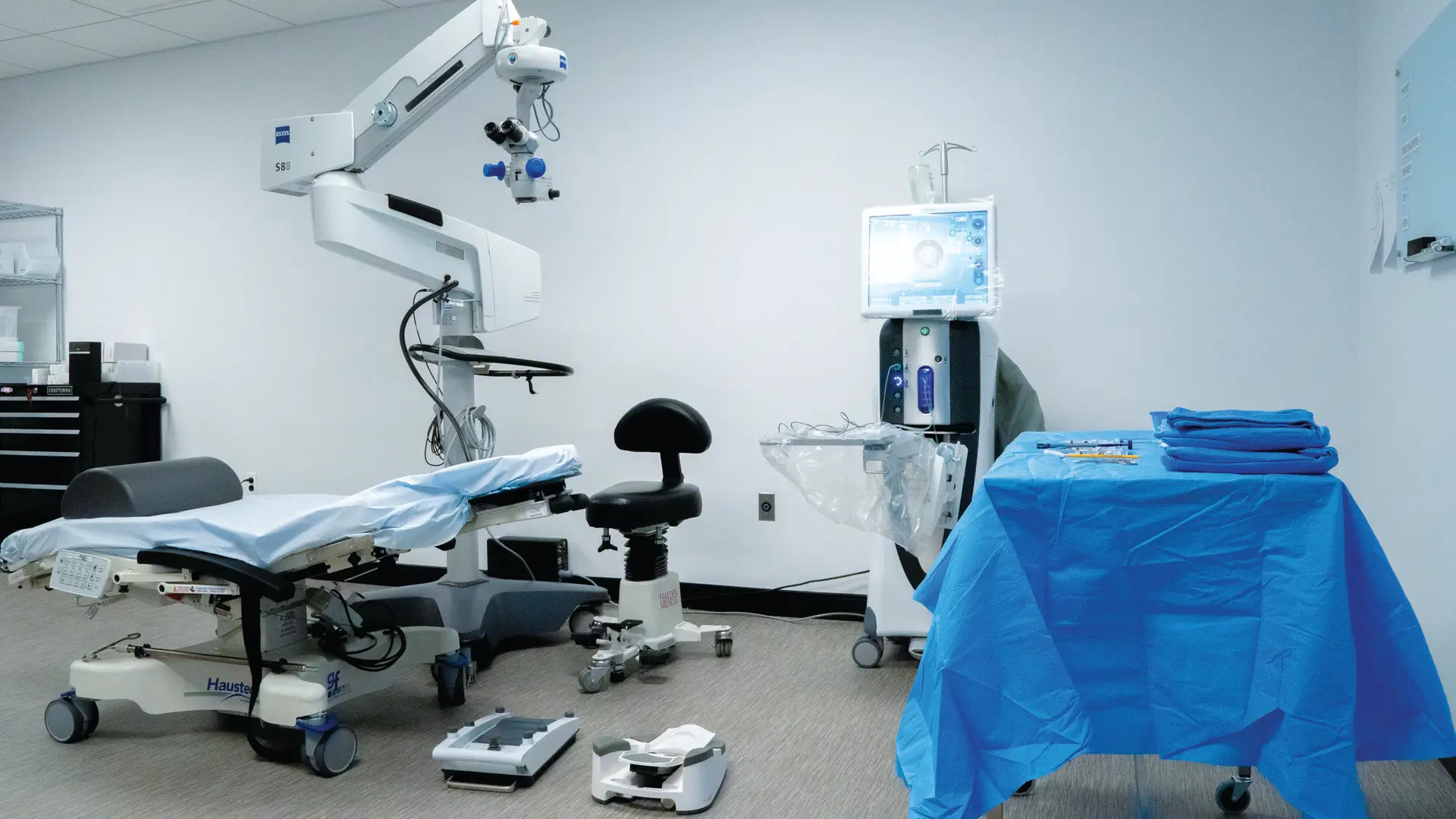
The Shared Suite model lets independent optometric practices enter the surgical market with no capital investment and with iOR’s support at every step. The optometric practice partners with an experienced surgeon from iOR’s established network, leases a fully equipped and accredited iOR Suite, pays the surgeon a procedure fee, and retains the remaining surgical revenue.
During the lease period, only that practice’s patients are treated. The lease covers the facility, staff, and equipment, and the suite is often — but not always — located within the surgeon’s practice. iOR handles accreditation, compliance, staff training, billing support, and operational oversight.
An Ideal Option for Smaller Practices
Because a lease can be as short as one half-day per month, a Shared Suite doesn’t require a large patient base. Even a smaller practice can typically fill a surgeon’s schedule for a few hours each month — and if demand outpaces expectations, the lease terms can expand.
To gauge whether OBS is viable, optometrists can begin by identifying surgical candidates in their existing patient charts, since much of a typical practice’s population is already a good fit for OBS. Targeted outreach, such as a friends-and-family promotion, can build volume quickly if desired.
Procedures performed in the suite can span RLE, corneal refractive surgery (LASIK, PRK, or SMILE), ICL phakic IOLs, and more.
Who Benefits?
- Patients get surgery close to home with providers they already know, in a comfortable in-office setting, without a hospital visit, general anesthesia, or long waits.
- Optometrists keep patients in the practice they already trust, gain more control over recommendations and outcomes, and share in surgical revenue that far exceeds typical co-management fees.
- Ophthalmologists gain a steady stream of surgical cases from patients already in the optometric practice, allowing them to focus on surgery, keep schedules full, and minimize clinic follow-up time.
Your Patients, Your Care, Start to Finish
Patients pay for their vision either way. OBS lets the practice that already knows them put one more option on the table without losing them to a referral they never come back from.
As these two practices show, the opportunity already exists in the practice, and the path works. Practices that lead can become their patients’ trusted source for surgical care close to home and build a program that grows over time.