
Office-based surgery is safe, efficient, and less costly to the health care system, yet Medicare still hasn’t standardized OBS reimbursement. iOR Partners first provided data on the safety of office-based surgery (OBS) to the Centers for Medicare and Medicaid Services (CMS) in 2020 and has continued to advocate every year since for fair reimbursement to OBS centers for their facility costs. A fair OBS fee would be closer to $1,150 for cataract, $2,200 for cataract/goniotomy, and $4,100 for cataract/MIGS, to recognize the significant buildout, staffing, equipment and supply costs. Recognizing that OBS entails a smaller physical plant and greatly reduced need for anesthesia services, a reasonable OBS facility fee would still likely be 10% to 20% less than ambulatory surgery (ASC) facility fees and 50% to 60% less than hospital outpatient department (HOPD) facility fees.
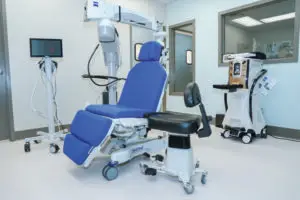
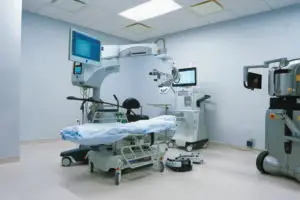
Along with several other physicians, I provided data to CMS on the real costs for our facility. Since our OBS launched in 2025 and we recently completed tax returns for that year, I had ready access to receipts and documentation of what it cost to retrofit a portion of our existing office to perform surgery in a sterile environment, apply for and secure Joint Commission accreditation, and purchase needed surgical equipment and supplies. Other physician OBS suite owners were able to provide similarly detailed documentation of human resource expenditures for OBS to the agency.
We are optimistic that these efforts will bear fruit, but continued advocacy by the OBS community is needed. It has been particularly difficult to perform combined cataract and minimally invasive glaucoma surgery (MIGS) procedures in the OBS setting without a facility fee to cover the additional costs of these implants. Performing cataract surgery in the office has been shown to be as safe or safer than in other settings1,2 and it is more cost-effective for patients and the health care system. We also know that many MIGS procedures contribute little or no additional safety risks beyond those already associated with cataract surgery and may be able to help patients reduce their glaucoma drop burden, further saving costs and sparing the ocular surface. I would like to be able to offer this to our OBS patients, but it needs to be financially reasonable for the OBS, as well.
The 2027 CMS proposed rule doesn’t include facility fees for OBS centers, which means that we may not see any increase in federal facility reimbursement in 2027. However, the recent focus by the agency on “site neutrality” make it increasingly likely that future CMS rules may incorporate facility fees for office-based surgery. A meaningful change by CMS would likely also translate into similar changes with managed care organizations and commercial payers because they tend to move in tandem with the federal government. I encourage my colleagues to continue to support regulatory and legislative advocacy efforts.
References:
- Ianchulev T, Litoff D, Ellinger D, et al. Office-based cataract surgery: Population health outcomes study of more than 21 000 cases in the United States. Ophthalmology 2016;123(4):723-8.
- Kugler LJ, Kapeles MJ, Durrie DS. Safety of office-based lens surgery: U.S. multicenter study. J Cataract Refract Surg 2023;49:907-911.